
Industry News
For whom are 3D-printed shoes more suitable?
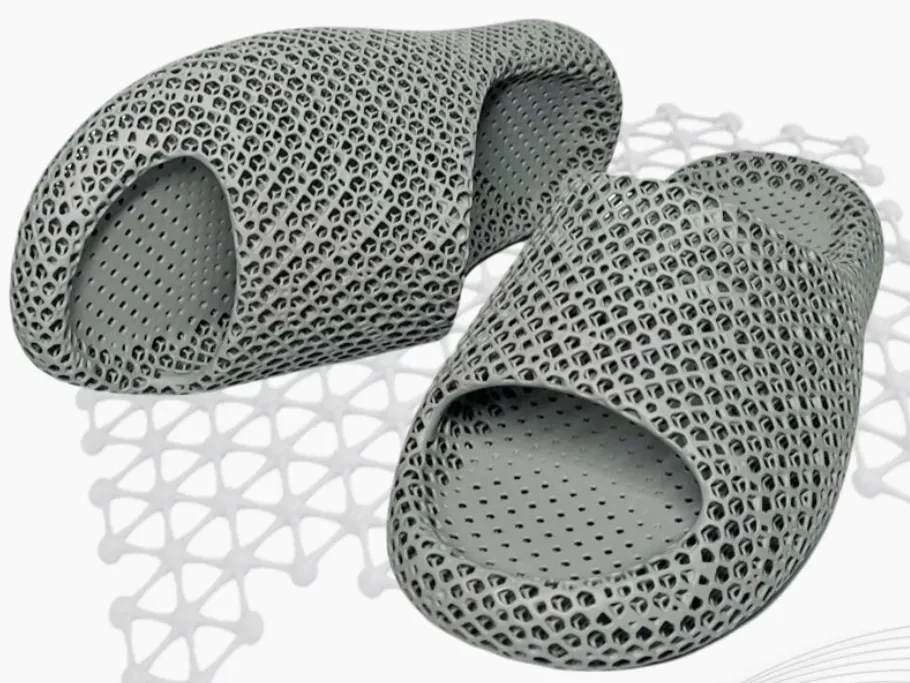
Between 2025 and 2026, the global market for 3D-printed footwear is experiencing rapid growth, and 3D-printed shoes may become a key application in the future.
News Content
The global 3D-printed footwear market is valued at approximately US$1.691 billion in 2025 and is projected to grow to US$3.407 billion by 2032, with a compound annual growth rate (CAGR) of 10.5%. Of course, 3D-printed footwear is still far from becoming a mass-market consumer product. Prices remain high, and the aesthetics still appear unconventional to the mainstream. However, the market is shifting; industry forecasts suggest that market penetration could reach 1%–3% by 2030, representing a market opportunity worth hundreds of billions. Notably, while the journey from 0% to 1% market penetration is often slow, the leap from 1% to 10% can happen in just a few years. Over the past few years, materials have evolved, printing speeds have increased, and costs have dropped. Utilizing its HALS ultra-high-speed 3D printing technology, Boli Technology has boosted printing speeds to 20–100 times that of traditional methods, transforming 3D-printed footwear from a mere "laboratory concept" into a "product rolling off the line in smart factories." These advancements are shifting 3D-printed shoes from something that "sounds cool but lacks practicality" into a functional option that "genuinely solves real-world problems."