
Reduce weight without compromising functional performance
Topology-driven geometries, lattice structures, and thin-wall designs help engineering teams trim mass while maintaining the stiffness and performance expected from flight-ready assemblies.
Aerospace | Lightweighting | Qualified repeatability
Bluepeak 3D helps aerospace teams move faster from concept to qualified hardware with additive manufacturing workflows built for lightweight design, part consolidation, and responsive low-volume production.
Aerospace programs benefit from additive manufacturing when performance, complexity, and speed matter at the same time. It enables lighter structures, faster design iteration, and more agile replacement-part planning without the cost and delay of conventional tooling.
Topology-driven geometries, lattice structures, and thin-wall designs help engineering teams trim mass while maintaining the stiffness and performance expected from flight-ready assemblies.
Complex ducts, mounts, housings, and brackets can often be redesigned into fewer components, reducing assembly labor, leak paths, and inspection complexity.
Tool-free production makes low-volume replacement parts easier to source on demand, helping reduce warehousing pressure and shorten response time for aging fleets.
Additive manufacturing fits especially well when documentation, repeatability, and material control must scale from prototype learning into structured low-volume production.
Application Focus
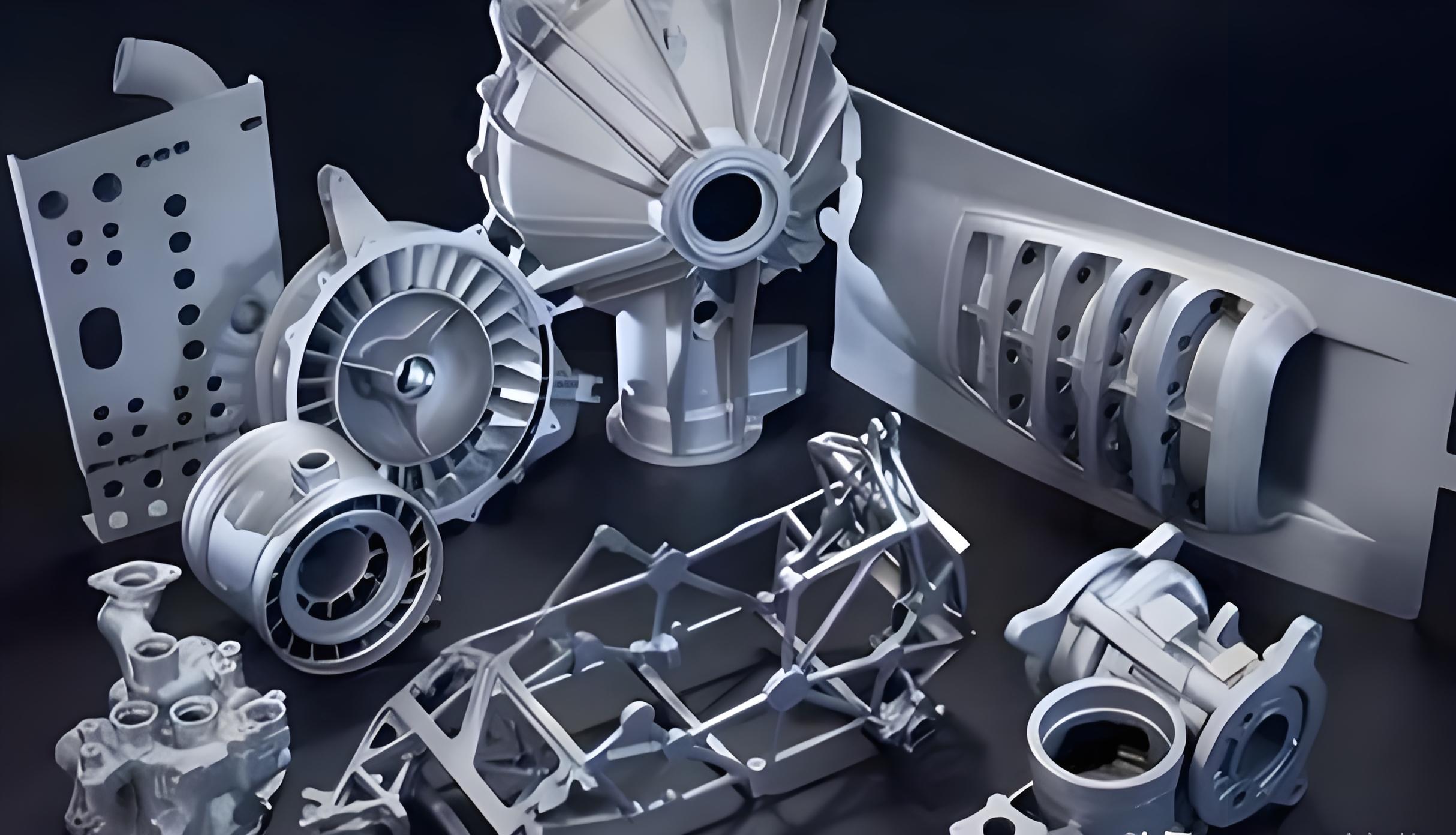
Additive manufacturing is increasingly used for lightweight cabin components, structural support parts, and service-driven spares where conventional lead times are too slow and inventory costs are too high.
Industry Perspective
For aerospace teams, additive manufacturing creates the greatest value where lightweighting, part consolidation, and spare-part agility directly improve program efficiency and service readiness.
Bluepeak 3D aerospace applications team.
Applications where complexity, performance, and fast response make 3D printing commercially valuable.
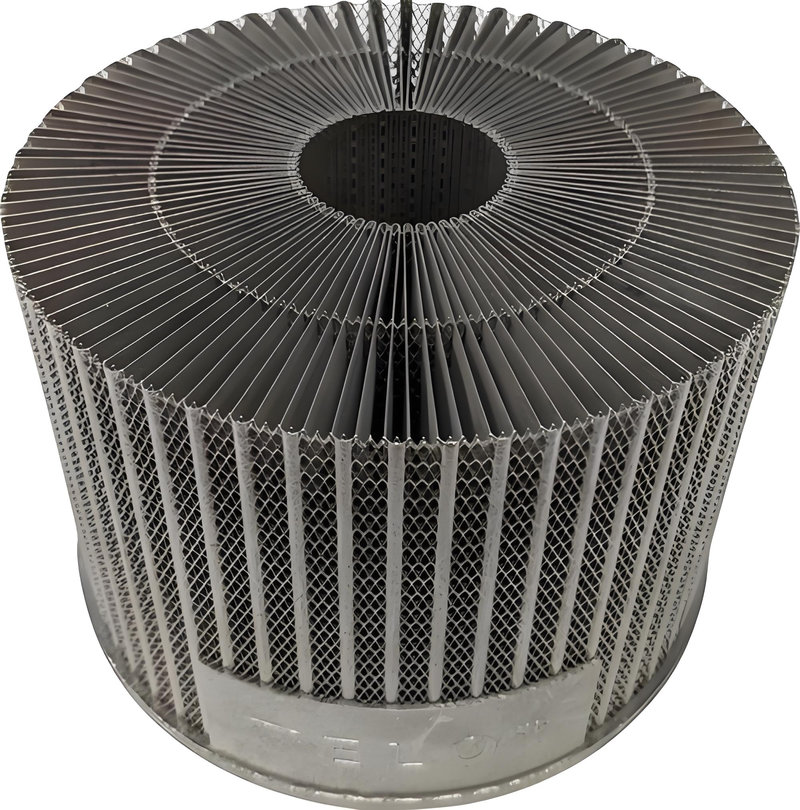
Interior fittings, ducts, housings, and support brackets benefit from lower mass, cleaner packaging, and easier customization across aircraft variants.
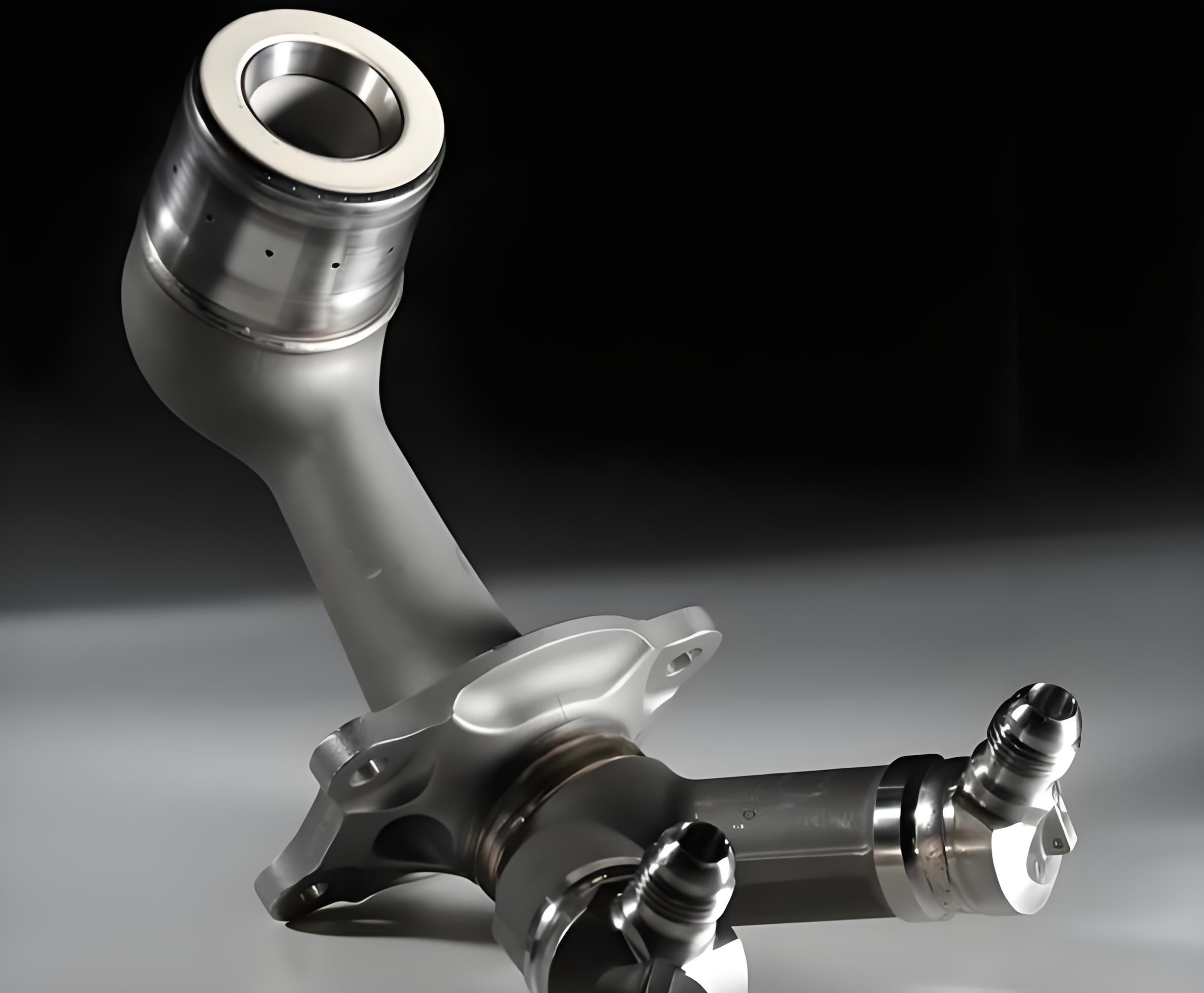
Rapid iteration helps engineering teams validate aerodynamic packaging, structural fit, and mission-specific hardware without waiting on dedicated tooling.
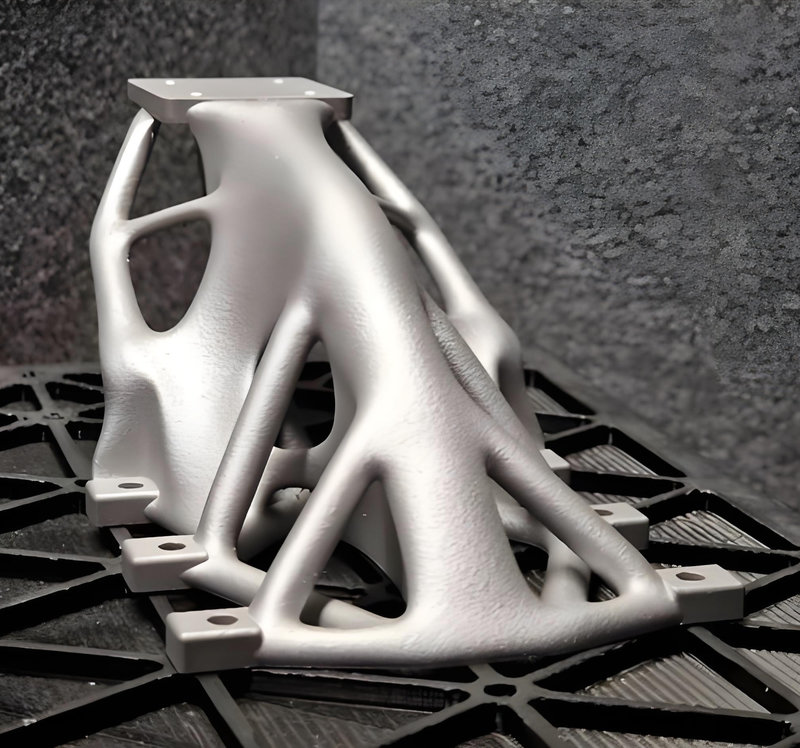
Digital production is a strong fit when supplier obsolescence, urgent service needs, or stocking cost make conventional spare-part planning less practical.
Upload your CAD file and share finish requirements such as color, coating, texture, or marking. We will review the details and help you move from prototype to production.