
Accelerate validation across vehicle development cycles
3D printing helps teams move quickly through packaging checks, airflow concepts, bracket revisions, and ergonomic studies before hard tooling is justified.
Automotive | Faster iteration | Lightweight performance
Bluepeak 3D supports automotive teams with additive manufacturing that accelerates vehicle development, streamlines factory tooling, and brings lightweight or low-volume components to market faster.
Automotive development moves on speed. Additive manufacturing gives engineering and production teams a faster way to validate designs, adapt tooling, and support low-volume builds without slowing down launch schedules.
3D printing helps teams move quickly through packaging checks, airflow concepts, bracket revisions, and ergonomic studies before hard tooling is justified.
Metal and polymer additive manufacturing allow engineers to combine functions, add internal channels, and reduce mass in selected powertrain and performance-focused components.
Assembly tools, clips, checking fixtures, and workstation aids can be deployed faster than conventionally machined alternatives, especially when geometry changes frequently.
When volumes are too low for molds or frequent design changes are expected, additive manufacturing creates a practical path for motorsport, aftermarket, test fleets, and service-part supply.
Application Focus
Automotive teams use additive manufacturing both inside the vehicle program and on the shop floor, where fast tooling updates, lightweight parts, and geometry-rich designs create a measurable speed advantage.
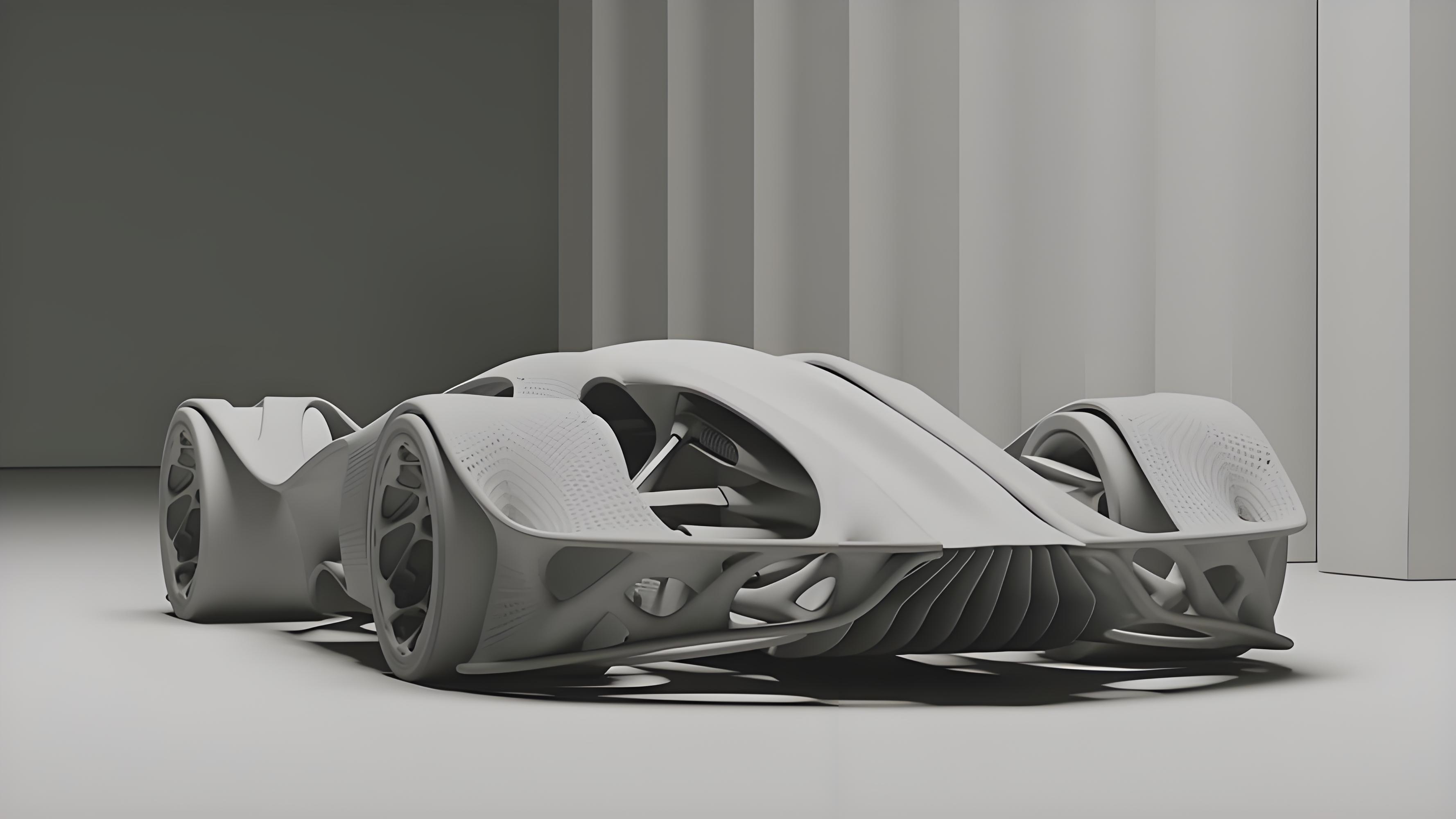
Industry Perspective
Automotive teams see the strongest return from additive manufacturing when they need to move quickly, update tooling often, or produce geometry-rich parts that are too specialized for traditional tooling economics.
Bluepeak 3D automotive applications team.
High-value applications for vehicle developers, manufacturing engineers, and low-volume automotive programs.
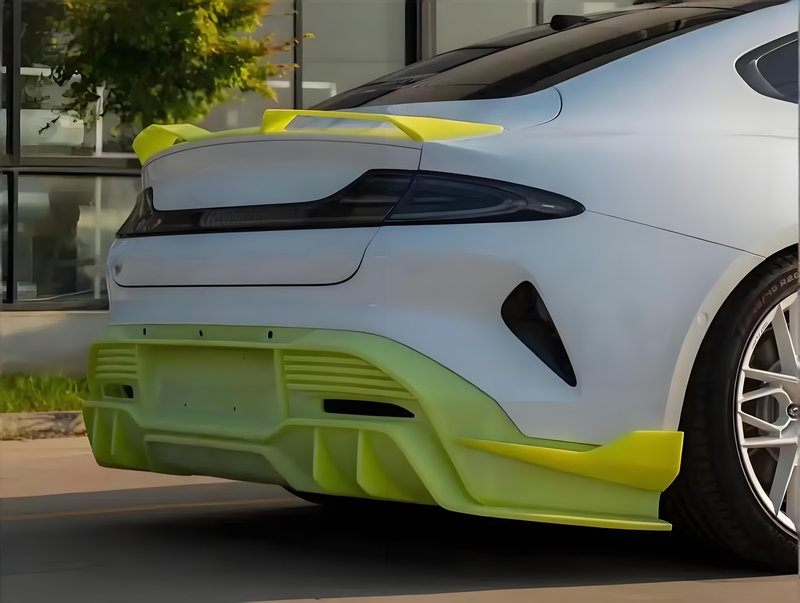
Validate ducting, covers, brackets, lighting features, and electronics packaging before locking tooling decisions.
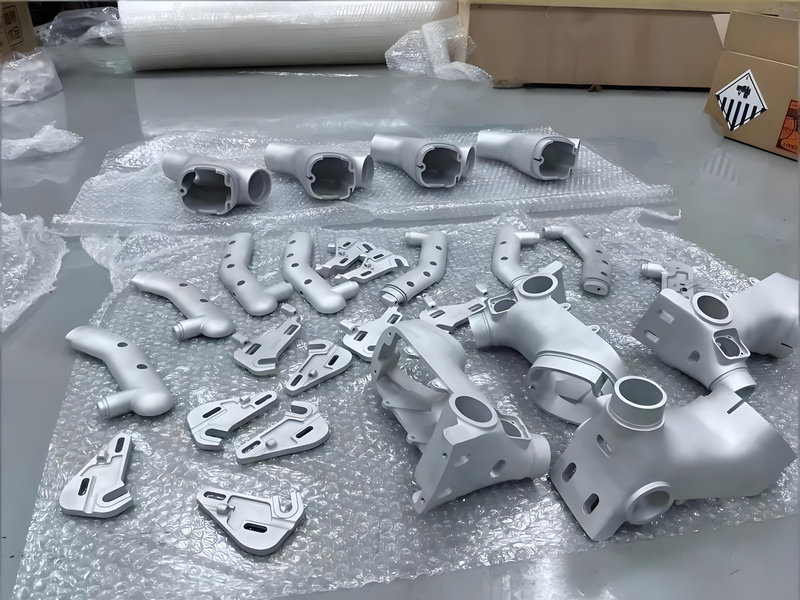
Custom jigs, clips, and workstation aids can be updated quickly as production cells evolve, helping assembly teams respond faster to engineering changes.
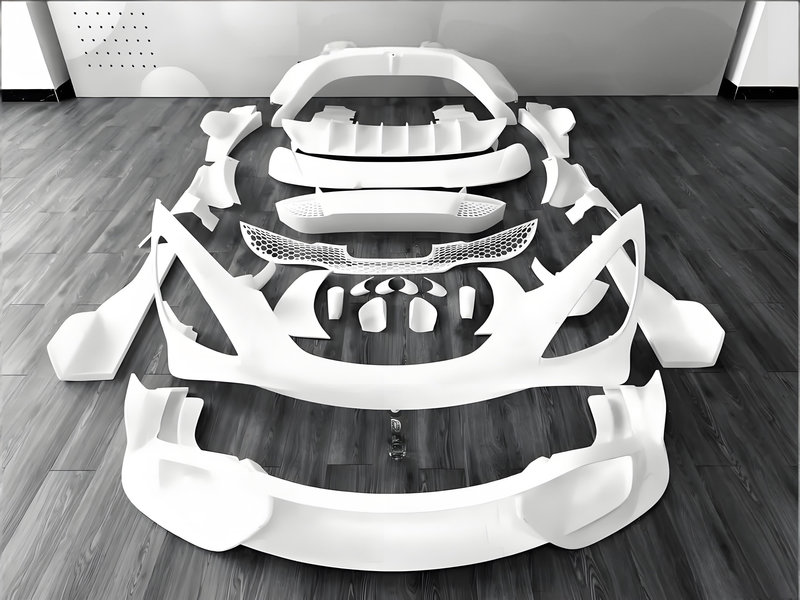
Motorsport, aftermarket, and design-led automotive programs benefit when additive manufacturing reduces weight, shortens lead times, or avoids low-volume tooling expense.
Upload your CAD file and share finish requirements such as color, coating, texture, or marking. We will review the details and help you move from prototype to production.